Welcome to our Greenline range!
Our Greenline products contain bio-based PE made from sugar cane and offer the same proven technical quality.
How Greenline products are made
How Greenline products are made
Why Bio-PE?
🟢 Bio-based raw material: Bio-PE is made from sugar cane or from ethanol derived from sugar cane.
🟢 Technical quality: Our Greenline variants offer the proven properties of PE for sound, moisture and application protection.
🟢 Replacing fossil raw materials: The polyethylene used is 100% bio-based and made from sugar cane. This completely replaces fossil-based PE.
🟢 Recyclability: When collected separately by material type, Bio-PE can be integrated into existing PE recycling streams.
What is Bio-PE?
Bio-PE (polyethylene) is a bio-based alternative to fossil-based PE and is produced from the renewable raw material sugar cane. While conventional polyethylene is predominantly made from fossil raw materials such as crude oil or natural gas, the carbon in Bio-PE comes from renewable raw materials such as sugar cane.
Sugar is extracted from the sugar cane and fermented into ethanol. The ethanol is then converted into ethylene and polymerised into polyethylene. The resulting material is chemically and technically comparable to conventional PE. Bio-PE therefore offers the same essential material properties and can be used for durable applications.
As Bio-PE does not differ in its chemical structure from conventional PE, no separate recycling technology is required. When collected separately by material type, Bio-PE can be processed together with conventional PE in existing PE recycling streams and recycled as a material.
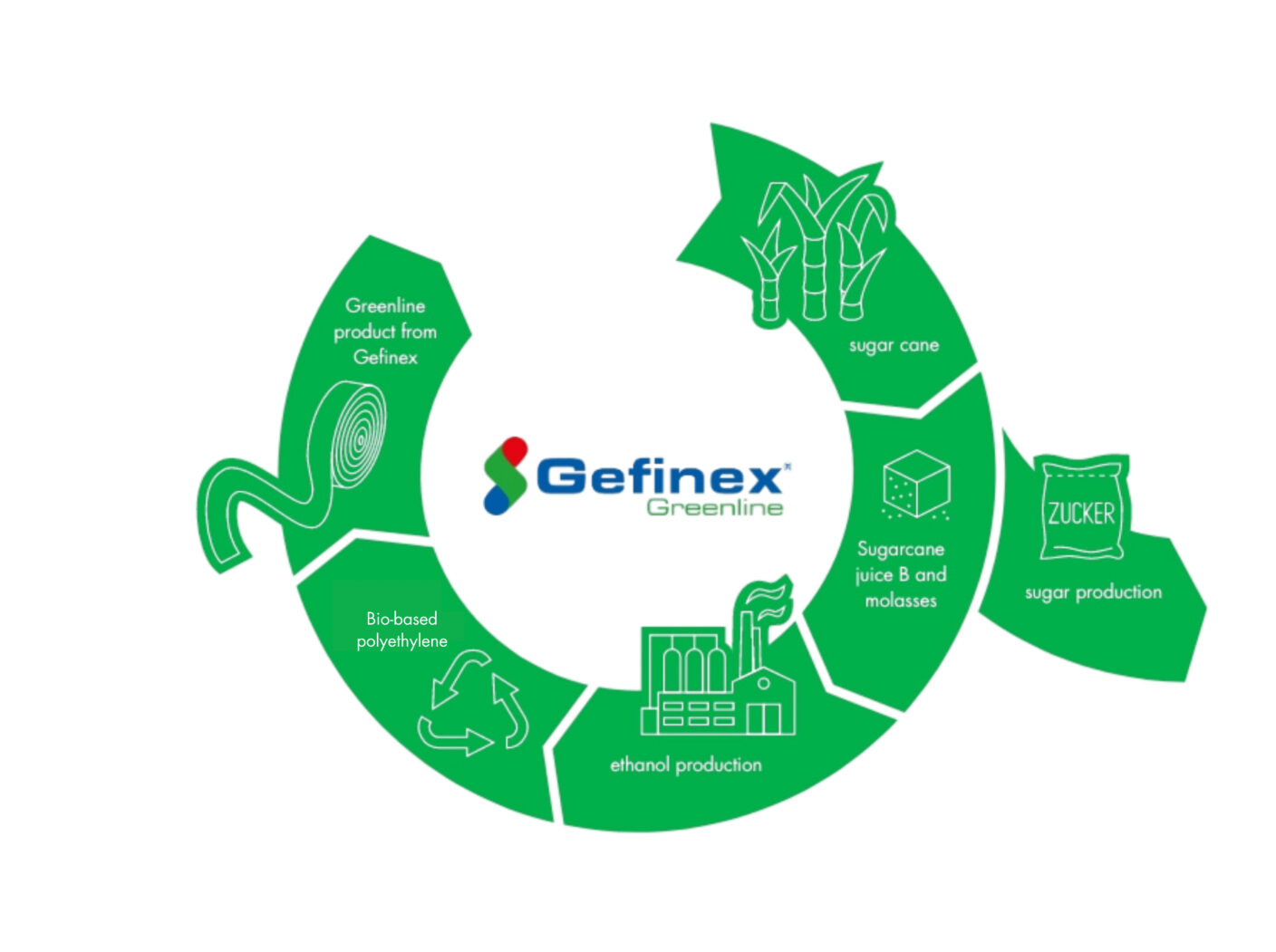
How does the manufacturing process work?
The production of Bio-PE (bio-based polyethylene) begins with sugar cane as a renewable raw material. After harvesting, the sugar juice is extracted and divided for further processing. While one portion is used directly for food-grade sugar production, by-products and sugar crystals that do not meet the requirements of food production can be used to manufacture Bio-PE.
The resulting sugar is first fermented into ethanol. This is then converted into ethylene and polymerised into polyethylene (PE). The result is a bio-based polyethylene that is chemically and technically comparable to fossil-based PE.
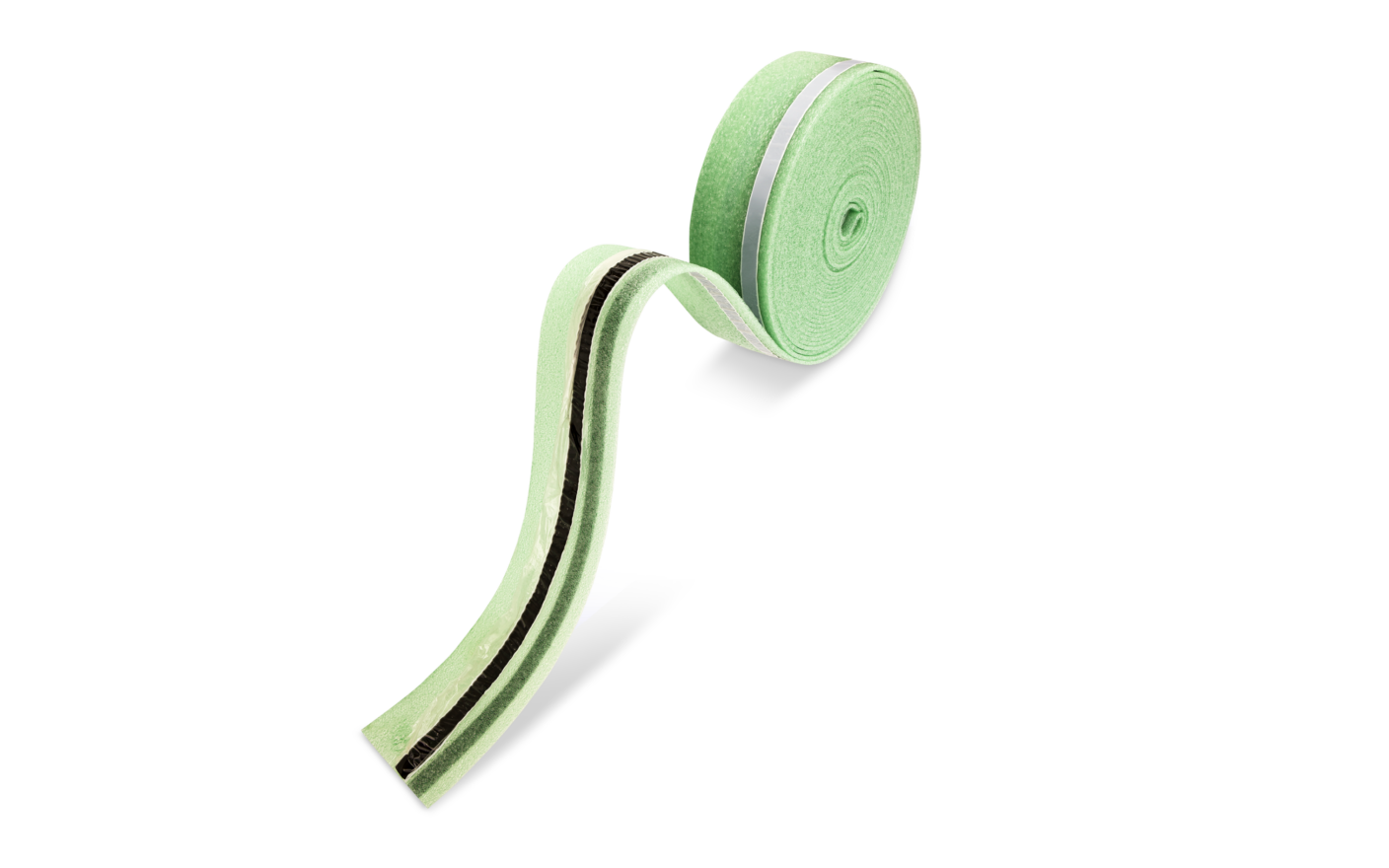
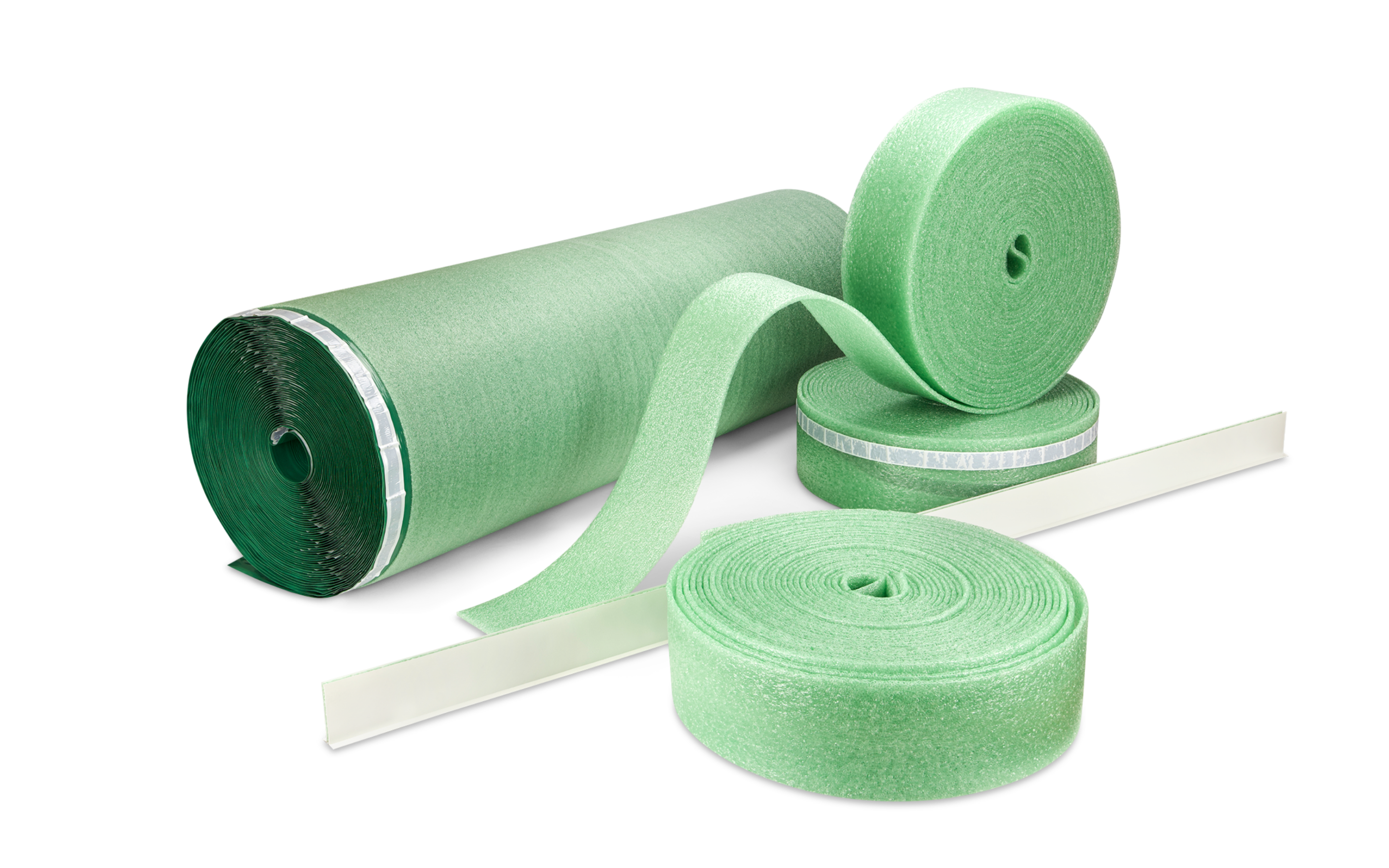
The following product groups are available as Greenline variants:
- Geficell® edge insulation strips
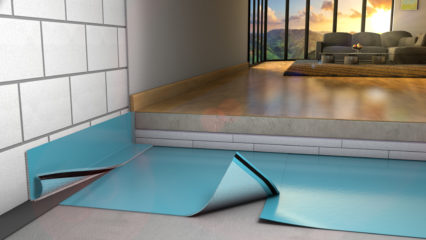
- Geficell® membranes
- Gefidehn® expansion joint profiles
- Various sealing products
 Driving innovation into the future
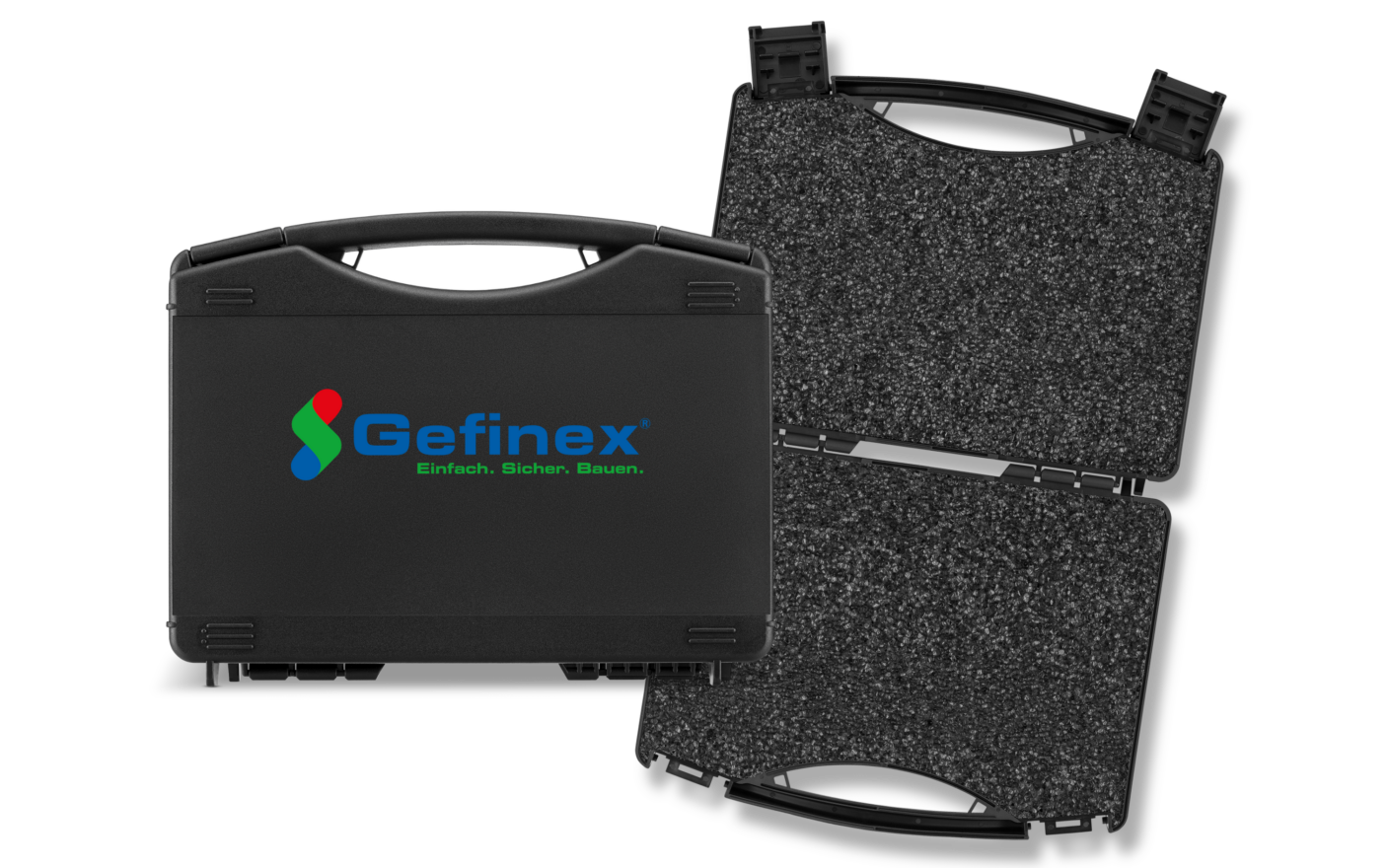
In addition to our core products for sound and moisture protection, we also manufacture foam blocks made from bio-based PE for the packaging industry.
These are used, for example, to produce custom-fit inserts for tool cases. Since Bio-PE is chemically comparable to fossil-based PE, the inserts can, when collected separately by material type, be fed into existing PE recycling streams and recycled as a material.
Interested❓
For further information or if you are interested in our Greenline products, please feel free to contact us. Please contact Mr Volker Kleineberg. He will be happy to advise you and help you find the right products for your requirements.

Volker Kleineberg
Application Engineer
Discover our Greenline range and choose bio-based PE with us instead of fossil-based PE.